
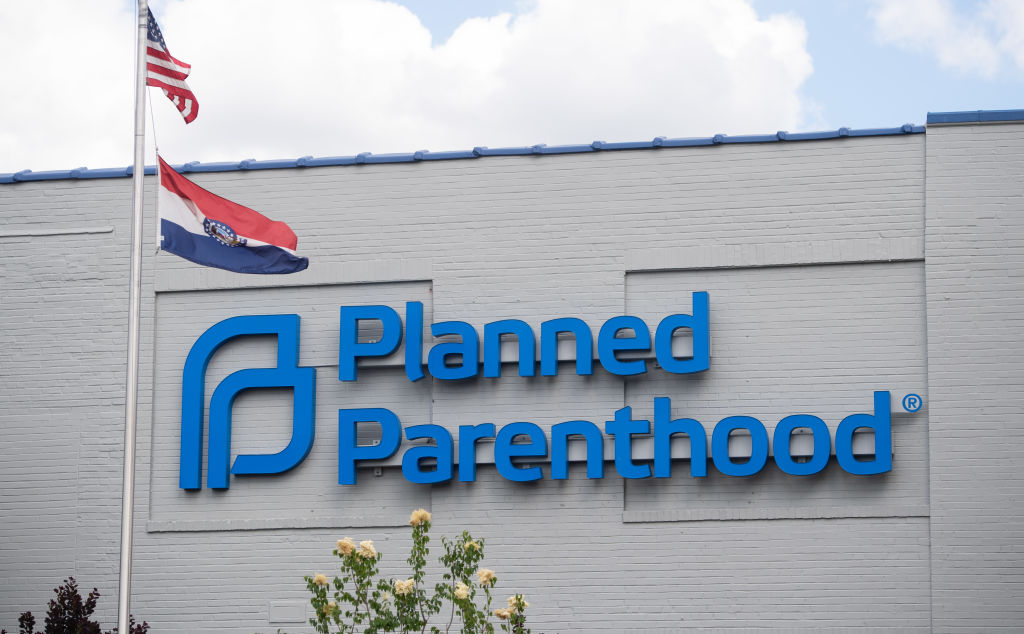
What Is Planned Parenthood? Is Planned Parenthood Really Free?
Planned Parenthood is one of the most recognized reproductive health organizations in the United States, providing services such as birth control, STI testing and treatment, cancer screenings, pregnancy testing, sexual health education, and abortion care at many locations.
Two of the most common questions patients ask about Planned Parenthood are:
- Is Planned Parenthood really free?
- How much does an abortion cost at Planned Parenthood?
The answers are not always straightforward. Some services may be available at little or no cost depending on your income, insurance coverage, location, eligibility for public health programs, and the specific care you need.
Other services may require payment, a copay, or coverage through private insurance or Medicaid.
Before scheduling an appointment, it is important to understand what Planned Parenthood offers, how its pricing works, and which services may qualify for financial assistance.
In this article, we will explain whether Planned Parenthood’s services are actually free and what patients should know about potential costs before receiving care.
Planned Parenthood Is Not Always Free, So How Much Does It Cost?
Planned Parenthood may offer free or low-cost services to patients who meet certain income requirements or who otherwise have difficulty paying for care.
According to Planned Parenthood, the average cost of an in-clinic abortion during the first trimester is about $600. The average cost earlier in the second trimester is around $715, while later procedures can cost $2,000 or more.
The exact cost depends on the health center, the service provided, the patient’s insurance coverage, and the financial-assistance programs available in that state.
Medicaid is an important source of health coverage for many low-income Americans and may help pay for services such as contraception, STI testing and treatment, cancer screenings, pregnancy-related care, and other sexual and reproductive health services.
However, Medicaid coverage for abortion varies considerably by state. In some states, Medicaid may cover abortion services, while in others, coverage is limited to specific circumstances.
Planned Parenthood also notes that insurance or financial-assistance programs may reduce or cover the cost of abortion care for some patients.
Qualifying for Medicaid can sometimes be confusing, particularly when determining what counts as income. For most children, pregnant women, parents, and adults who qualify based on income, Medicaid uses a calculation known as Modified Adjusted Gross Income (MAGI).
This generally considers taxable household income and tax-filing relationships when determining eligibility.
Income limits are not identical across the country. Medicaid eligibility requirements vary by state and by eligibility category, and other requirements, such as residency, may also apply.
Therefore, having an income below the federal poverty level does not automatically mean that every service at Planned Parenthood will be free.
Patients should check their state’s Medicaid requirements and contact their local Planned Parenthood health center to determine what coverage or financial assistance may be available before receiving care.
What About Abortion Services At Planned Parenthood?
It is worth noting that Planned Parenthood does not perform abortions at every health center. Abortion services are available only at select locations and depend on factors such as state law, the type of abortion care offered, and local clinic resources.
Availability can also change over time. Planned Parenthood affiliates operate independently across different regions, and some health centers have reduced services, consolidated operations, or closed because of funding pressures and changes in federal or state policies.
For example, Planned Parenthood of Michigan announced several health center closures in July 2026, citing a decline in patient-care reimbursement and federal family-planning funding.
Political efforts to restrict public funding for Planned Parenthood have also affected how some patients can pay for care.
These policies can influence Medicaid reimbursement and funding for services such as birth control, STI testing, cancer screenings, and other reproductive health services.
For this reason, patients should not assume that every Planned Parenthood location offers the same services or that the cost will be the same everywhere.
It is important to verify which services are available at a particular health center and what insurance coverage, financial assistance, or payment options may apply.
Planned Parenthood Misconceptions
Planned Parenthood is not free clinic where you can just walk in off the street with no questions asked. They provide high quality confidential service regardless.
Another misconception about Planned Parenthood is that their services are only available to low income people. While it’s true that they do provide care for those who cannot afford it, anyone can receive services from Planned Parenthood.
A lot of people think Planned Parenthood performs abortions on teenagers and young girls, which is not true. In reality, the vast majority of patients are in their 20s or older.
The reason for this misconception may be due to misinformation from anti-abortion activists who have been known to stand outside Planned Parenthood clinics and shout things like, “You are murdering your baby by going there!” or “Planned Parenthood is where you go to kill your baby!”
Young women may choose not to visit a health care center if they feel ashamed, intimidated, or threatened.
An Important Role In Our Society
An estimated 1 in 5 American women has visited a Planned Parenthood health center at some point in her lifetime for healthcare services.
This highlights the important role the organization has played in providing access to reproductive and sexual healthcare across the United States.
If you want to better understand what Planned Parenthood does, which services are available, and what those services may cost, visit the organization’s official website or contact a local health center directly.
If you need help understanding your options, available services, or possible costs, contact us.
Our team can help you find the information you need and better understand the choices available to you.
FAQs
1. Does Planned Parenthood Do Abortions?
Yes. Many Planned Parenthood health centers provide abortion services, including medication abortion (the abortion pill) and in-clinic abortion procedures.
However, not every Planned Parenthood location offers abortion care, and available services vary depending on state laws, gestational age, and the medical services provided at each health center.
2. How Much Is an Abortion at Planned Parenthood Without Insurance?
The cost of an abortion at Planned Parenthood without insurance depends on the abortion method, gestational age, and health center location.
According to Planned Parenthood, the average cost of medication abortion (abortion pill) is approximately $580.
Second-trimester procedures generally cost more, with published averages ranging from approximately $715 to $2,000, depending on the stage of pregnancy.
Financial assistance may be available to eligible patients through abortion funds and other support programs.
3. Can You Get the Abortion Pill at Planned Parenthood?
Yes. Many Planned Parenthood health centers offer the abortion pill, also known as medication abortion.
The availability of abortion pills depends on state laws, the stage of pregnancy, and the services offered at the specific Planned Parenthood location. Some health centers also provide telehealth consultations where legally permitted.
4. Does Planned Parenthood Take Walk-Ins?
Yes. Some Planned Parenthood health centers accept walk-in patients for services such as pregnancy testing, birth control consultations, emergency contraception, and sexually transmitted infection (STI) testing.
However, walk-in availability depends on the location, staffing, and the type of medical service requested.
5. Does Planned Parenthood Do Ultrasounds?
Yes. Many Planned Parenthood health centers provide ultrasound examinations as part of pregnancy-related healthcare services. An ultrasound uses sound waves to produce images of the uterus and developing pregnancy.
These examinations may help healthcare professionals estimate gestational age, evaluate the pregnancy’s location, and determine appropriate medical care.
Ultrasounds are not required for every patient seeking abortion care, and availability varies by location.
6. Does Planned Parenthood Offer Free Pregnancy Tests?
Some Planned Parenthood health centers provide free or low-cost pregnancy testing, depending on their location, financial assistance programs, and available resources.
Pregnancy tests generally detect human chorionic gonadotropin (hCG), a hormone produced during pregnancy. Tests are usually most reliable after a missed menstrual period.
7. Can Teenagers Visit Planned Parenthood Without Parental Consent?
Yes. In many states, teenagers can visit Planned Parenthood and receive certain reproductive healthcare services without parental consent.
These services may include pregnancy testing, STI screening, contraception, and confidential medical consultations.
However, parental consent and notification laws vary by state and type of medical service, particularly regarding abortion procedures. Some states require parental involvement for specific treatments.
8. How Do You Schedule an Appointment at Planned Parenthood?
Patients can schedule appointments through the official Planned Parenthood website or by contacting their nearest health center directly.
Appointments may be available for pregnancy testing, contraception, STI screening, reproductive health examinations, and abortion services, depending on the clinic.
9. Does Planned Parenthood Do Pap Smears?
Yes. Many Planned Parenthood health centers offer Pap smears, also known as Pap tests, as part of preventive reproductive healthcare services.
A Pap smear is a screening test that detects abnormal cervical cells that could potentially develop into cervical cancer.
10. Does Planned Parenthood Accept Insurance?
Yes. Many Planned Parenthood health centers accept private health insurance, Medicaid, and certain government-funded healthcare programs.
However, accepted insurance providers and coverage vary by clinic and state. Some insurance plans cover preventive services, contraception, STI testing, and cancer screenings but may have restrictions on abortion coverage.
11. Does Planned Parenthood Take Medicaid?
Yes. Many Planned Parenthood health centers accept Medicaid for eligible reproductive healthcare services, including contraception, STI testing, pregnancy testing, and preventive care.
However, Medicaid coverage for abortion varies considerably between states. Some states use state funds to provide broader abortion coverage, while others restrict coverage to limited circumstances.
The Orlando Women’s Center is Offering The One Hour Abortion Pill Procedure – 3 to 14 Weeks. Patients who qualify may receive a significant discount in the price of the procedure if they meet certain criteria.
Call Us Now For Same Day Appointment.
Dr James S Pendergraft | Orlando Women’s Center | Abortion Pill Clinic | Articles On Abortion


Leave a Reply
You must be logged in to post a comment.