
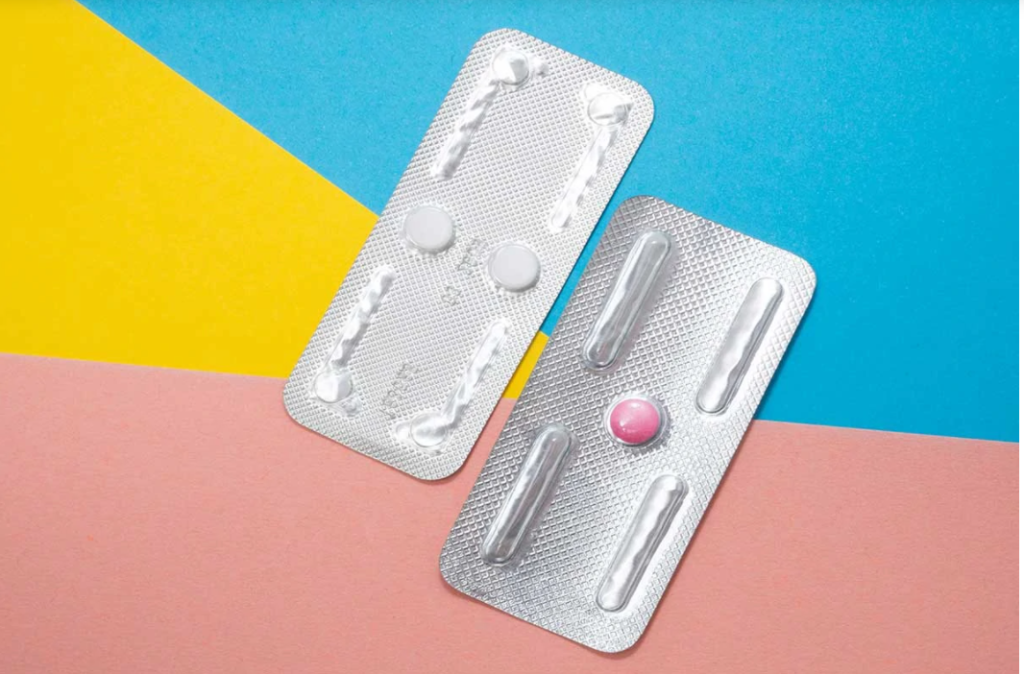
The Morning After Pill Is Not An Abortion Pill!
The morning-after pill is a tablet to be taken in a single dose within three days of unsafe sex to prevent unwanted pregnancy by blocking or delaying ovulation. This is emergency contraception.
It should not be confused with the abortion pill which is a medical method of abortion. This method is practiced up to fourteen weeks of pregnancy and can be likened to a miscarriage.
Indeed, two different substances (mifepristone and misoprostol) will act together on the uterus to cause bleeding and miscarriage.
Studies are also underway to assess the effectiveness of mifepristone as an emergency contraceptive, during the five days following sexual intercourse.
How To Take The Morning After Pill?
The morning after pill should be taken as close to intercourse as possible, if possible within 24 hours after intercourse. Indeed, the longer you wait, the more its effectiveness decreases.
These methods are made to protect intercourses that have taken place:
- Within 72 hours (three days) for Norlevo®.
- within 120 hours (five days) for Ellaone®.
The morning after pill does not protect against risky intercourse that took place before or after this time. It is therefore necessary to use mechanical protection such as a condom until the next period.
Bleeding After Taking The Morning After Pill
Bleeding after taking the morning-after pill is a common side effect of emergency contraception. Some women may experience light spotting or irregular bleeding within a few days of taking the medication.
However, bleeding after taking the morning-after pill does not necessarily mean that you are having your menstrual period or that the medication has successfully prevented pregnancy.
The hormonal changes caused by emergency contraception can temporarily affect your menstrual cycle. Your next period may arrive earlier or later than expected, and the bleeding may be lighter or heavier than usual.
It is important to understand that you can experience bleeding after taking the morning-after pill and still be pregnant.
Therefore, bleeding alone should never be considered reliable confirmation that emergency contraception has worked.
The Morning After Pill Does Not Make You Sterile
The received idea according to which the morning after pill makes women sterile has a hard tooth.
This is false: even repeated use of emergency contraception does not harm fertility. However, it should not be considered as a long-term contraceptive solution.
Even if the frequent use of these morning after pills does not pose a medical disadvantage in the strict sense, it is of course preferable to opt for a classic hormonal contraception which, when taken correctly, remains much more effective.
Finally, for women who cannot or do not want to use hormonal contraception, the copper IUD, the female condom and diaphragms are reliable alternatives.
Consult a gynecologist or a midwife if you want to start or change your type of contraception.
Conclusion
Understanding the difference between the morning-after pill and the abortion pill is essential for making informed decisions about reproductive health and preventing unintended pregnancies.
Although these medications are often confused, they serve two entirely different purposes.
The morning-after pill is a form of emergency contraception that works primarily by delaying or preventing ovulation, while the abortion pill is used to terminate an existing pregnancy.
When taken within the recommended time frame, emergency contraception can significantly reduce the risk of pregnancy. However, it is not 100% effective and should not be considered a replacement for regular birth control methods.
If you have concerns about a possible pregnancy or need help understanding your reproductive healthcare options, contact us.
Dr James S Pendergraft | Orlando Women’s Center | Abortion Pill Clinic | Articles On Abortion


Leave a Reply
You must be logged in to post a comment.