
How Do You Know If Plan B (Levonorgestrel) Is Working?
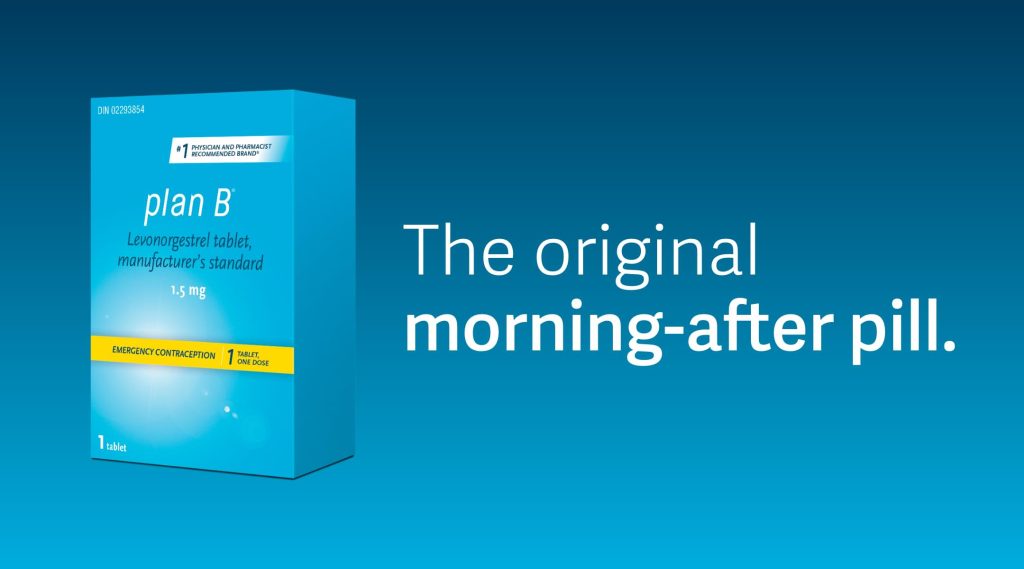
Plan B is a form of emergency contraception. It contains levonorgestrel, a hormone similar to the ones your body makes. Levonorgestrel stops sperm from fertilizing an egg by making changes in your cervical fluid and uterine lining.
Plan B looks like a round pill with one white line on it.
Although Plan B is generally very effective, sometimes it can fail. If you think that your Plan B didn’t work, talk to your doctor about what the next steps might be.
There are options available, and together you can decide on the best course of action for you.
You may have had unprotected sex around the time that your ovulation occurred, which is about 5 to 7 days before the day of your expected period.
If sperm are in your reproductive tract when you ovulate , they can fertilize an egg even if it has been there for only a short time. If Plan B is taken after you ovulate, it may not be effective in preventing pregnancy.
Signs That Plan b Didn’t Work
There is no immediate symptom that can confirm whether Plan B worked. Side effects such as nausea, cramping, spotting, breast tenderness, or changes in the timing of your next period can occur after taking levonorgestrel and do not necessarily indicate pregnancy.
Possible signs that Plan B may not have prevented pregnancy include:
- Your period is more than one week later than expected.
- You miss your next period completely.
- You develop symptoms that could be associated with pregnancy, such as persistent nausea, breast tenderness, unusual fatigue, or increased urination.
- A home pregnancy test is positive.
Because Plan B works mainly by delaying or preventing ovulation, it may be less effective if ovulation has already occurred before the medication is taken.
Its effectiveness can also decrease the longer you wait to take it after unprotected sex.
If your period is more than a week late, or if it has been about three weeks since taking Plan B and you are unsure whether it worked, taking a pregnancy test is a practical next step.
If the result is positive or you continue to have concerns, contact a healthcare provider for appropriate medical guidance.
What To Do If Plan b Didn’t Work?
1- Assess the Situation: First, confirm whether you are pregnant. If you’ve missed your period or suspect you may be pregnant despite taking Plan B, consider taking a pregnancy test. It’s crucial to know for sure before proceeding.
2- Consult a Healthcare Provider: If you are pregnant or unsure of your pregnancy status, schedule an appointment with a healthcare provider. They can provide guidance on next steps, including confirming the pregnancy, discussing options, and addressing any concerns you may have.
3- Consider Alternative Emergency Contraception: If it’s still within the recommended timeframe (typically within 72 hours of unprotected intercourse), you may consider using another form of emergency contraception, such as the copper intrauterine device (IUD). The copper IUD can be inserted by a healthcare provider as emergency contraception and is highly effective at preventing pregnancy when inserted within five days of unprotected intercourse.
4- Address Emotional Support: Dealing with the stress and anxiety of an unintended pregnancy or contraceptive failure can be challenging. Seek emotional support from trusted friends, family members, or a counselor if needed. There are also hotlines and support groups available for individuals facing reproductive health-related concerns.
ellaOne Morning After Pill
Many women are not aware of ellaOne, the emergency contraception available in the United States. ellaOne is a newer medication that is more effective than Plan B and can be taken up to 5 days after unprotected sex.
ellaOne works the same way as Plan B, by preventing an egg from being released. It also makes it harder for a fertilized egg to implant in the uterus.
ellaOne is effective up to 120 hours after sex (5 days) and can be taken almost any time during that 5 day window.
The birth control pill is a women’s health care product, and it should be taken seriously.
Women who take the levonorgestrel pill must monitor their medication for side effects such as nausea or headaches that could indicate they need to switch forms of birth control.
If you are experiencing any adverse reactions from taking this form of contraception, contact your doctor immediately.
If Plan b Didn’t Work, Consult Your Doctor
Remember, it is important to act promptly and seek medical advice if Plan B did not work as intended.
If your period is more than a week late, or if you are experiencing possible pregnancy symptoms, consider taking a pregnancy test and contacting a healthcare provider.
Plan B is most effective when taken as soon as possible after unprotected sex, but it is not 100% effective and does not end an existing pregnancy.
A healthcare professional can help confirm whether you are pregnant, explain your available options, and provide personalized guidance based on your circumstances.
Contact us if you need help.
Dr James S Pendergraft | Orlando Women’s Center | Abortion Clinic Orlando


Leave a Reply
You must be logged in to post a comment.